
Coca-Cola and the functional beverage category reflect broader shifts in consumer preferences toward health, wellness, and added functionality in everyday products. Functional beverages provide a strong foundation for analyzing consumer behavior because they are closely tied to lifestyle, motivation, and value-based decision-making. Coca-Cola is often associated with traditional carbonated soft drinks, but the company’s portfolio has expanded in response to changing consumer expectations. According to GlobalData (2026), Coca-Cola continues to invest in product innovation and portfolio diversification to address growing demand for low-sugar and healthier beverage options. This strategy proves Coca-Cola’s ability to adapt to consumer behavior and justifies my selection of the company for my project.
What Are Functional Beverages?
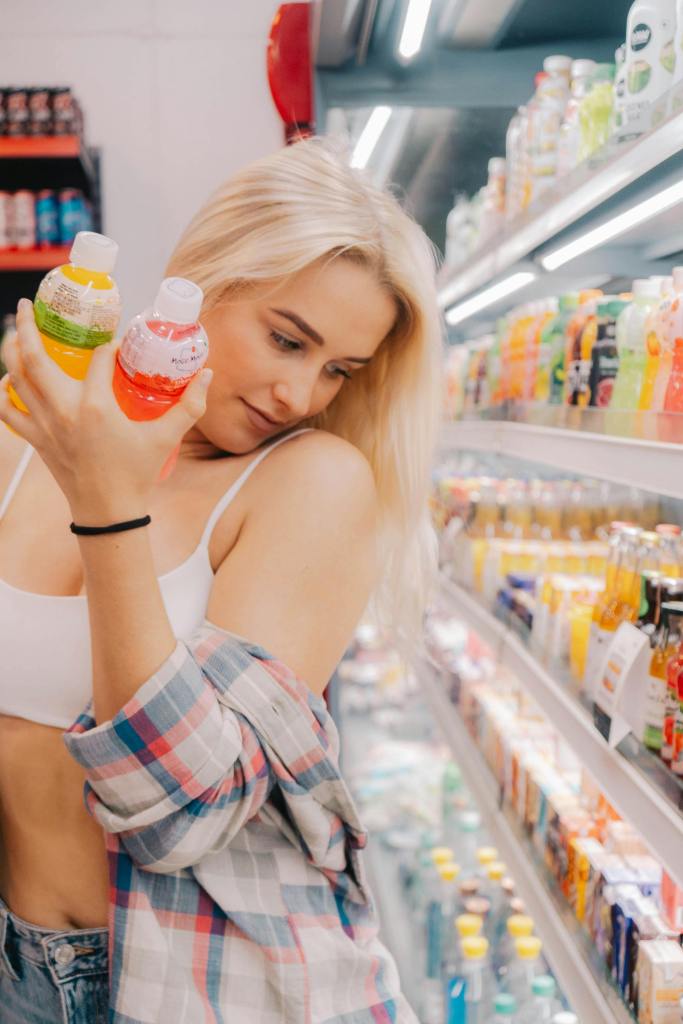
Functional beverages are typically defined as drinks that provide benefits beyond hydration. Benefits such as digestive support, overall wellness, and energy are implemented into these beverages. Unlike traditional soda, functional beverages are marketed as lifestyle choices rather than an indulgence. Millennials and Gen Z are particularly high consumers of functional beverages, with increasing interest in beverages that support wellness goals while still offering familiar flavors and convenience. Brands such as Olipop and Poppi have proven the category’s relevance and have contributed to the growth of the category (Lyons, 2025).
Why Functional Beverages?
Research shows that consumers purchase beverages based on perceived health benefits, ingredient clarity, and brand trust rather than taste alone (Hair et al., 2024). From a consumer behavior perspective, functional beverages align with lifestyle and psychographic factors. Babin and Harris (2022) explain that consumers seek value through products that fit their routines, goals, and beliefs. Functional beverages appeal to these consumers who view food and drinks as part of self-care and long-term well-being, making this category especially relevant for studying motivation and post-purchase evaluation. Brand familiarity and trust help Coca-Cola in this category as well, as consumers could be skeptical of health claims. This dynamic creates meaningful opportunities to analyze how consumers assess risk, authenticity, and value.
Research Support and Project Sustainability
In choosing the functional beverage category, post-purchase behavior would be analyzed, including satisfaction and trust. As Babin and Harris (2022) note, post- purchase evaluation plays a key role in shaping future consumer behavior, making this catigeory well suited for behavior analysis. In addition to the strength of the functional beverage category, Coca-Cola’s global presence and diversified portfolio make it one of the most research rich companies in the beverage industry. The company is frequently analyzed in marketing, consumer behavior, and industry research, making secondary sources readily available.
Conclusion
Overall, Coca-Cola and the functional beverage category provide a strong research foundation, while still flexible in content. The category reflects consumer lifestyles and expectations, providing connections to consumer behavior. Focusing on these choices will allow for consumer insights on value perspectives, wellness, and beverage content concerns.
References
Babin, B. J., & Harris, E. G. (2022). Cb9 (9th ed.). Cengage Learning.
GlobalData. (2026). The Coca-Cola Co The Coca-Cola Co-Financial and Strategic Analysis Review Company Overview The Coca-Cola Co -Key Facts. https://explorer.globaldata.com/Company/Profile/the-coca-cola-company#
Hair, J. F., Ortinau, D. J., & Harrison, D. E. (2024). Essentials of marketing research (6th ed.). Mcgraw Hill Education. https://bookshelf.vitalsource.com/reader/books/9781265800833
Lyons, H. (2025, April 16). Poppi vs. OLIPOP: The rapid rise of better-for-you soda. Bevi. https://bevi.co/blog/history-of-poppi-soda-olipop/


Leave a comment