
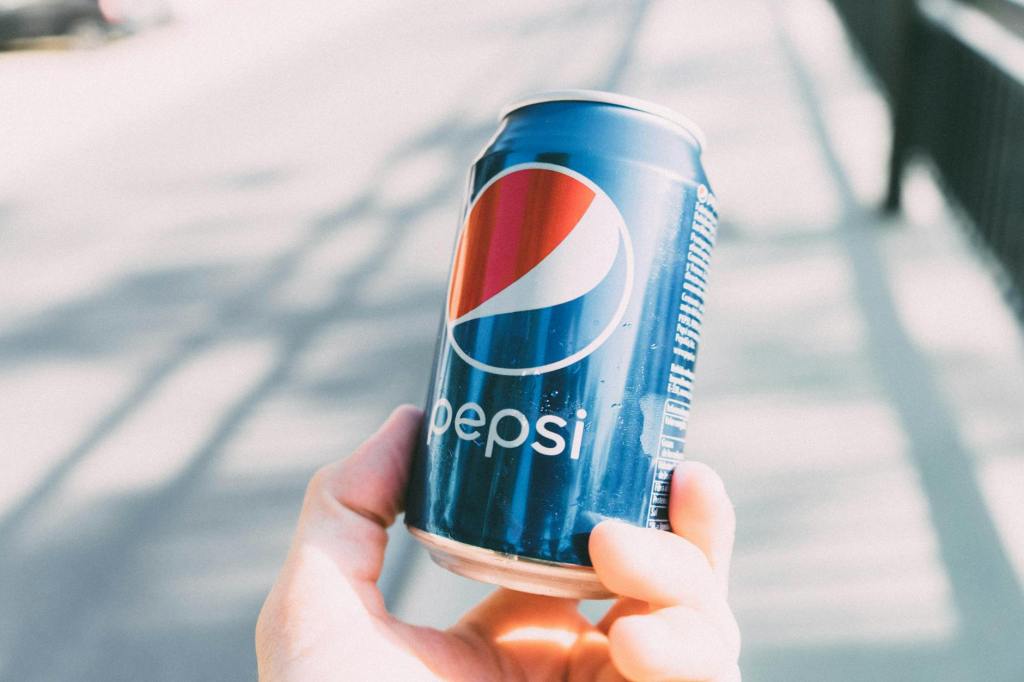
About PepsiCo
PepsiCo is a global leader in the beverage and snack industry with over 500 different brands. Over 1 billion of their products are consumed daily, including brands such as Pepsi, Mountain Dew, Lay’s, and Doritos (Purdy, 2024).
With a reputation for innovation and sustainability (Pepsico, 2025), PepsiCo’s long-term growth strategy includes adapting to the needs of health-conscious consumers by providing healthier products (PepsiCo, 2025). The goal would be to maintain the taste that is expected from the brand while adding health benefits.
“By offering more nutritious food and beverage options, we seek to make a positive impact on the future of food around the world while ensuring local tastes and preferences are considered.”
PepsiCo Inc. (2025)
Introducing: Provi
PepsiCo Provi is a probiotic soda that replicates a healthier version of the taste and fizz of a Pepsi and/or Mountain Dew soda. Provi continues the goal of reducing sodium, saturated fat, and added sugars (PepsiCo Inc., 2025), while adding gut health benefits through probiotic infusion.
Key Features
- Classic Soda Taste. Flavors such as Cola, Cherry Cola, and a Mountain Dew replica.
- 1 Billion CFUs of Bacillus Coagulans, a shelf-stable probiotic that survives carbination and temperature variation (Majeed et al., 2016).
- Reduce sugar content
- Avoid the “health drink” taste and use full carbonation.
- Sustainable packaging to continue the PepsiCo mission.
Consumers can enjoy the indulgence of a fizzy drink with less guilt, and the benefits of probiotics reduce the unhealthy feeling of soda consumption. Provi will be easily accessible and sold in stores that already sell Pepsi products. Also, as a soda product, it will be shelved along with other PepsiCo brand sodas, and not in the “healthy drinks” section of the drinks section or aisle.
Research and Design Objectives
Target Audience
The target audience is consumers 18-35 years old. Early Gen Z and Late Millennials dominate the health-conscious consumer market, seeking beverages that offer natural ingredients and functional benefits (Lyons, 2025). Learning what consumers expect in a health beverage and how they acquire their beverages will help manage flavor and placement of products.
Provi would offer gut health benefits without the bitter taste of vinegar that is in brands such as Poppi, another PepsiCo brand (Lyons, 2025), or the unpleasant aftertaste in some Olipop flavors (Andersen, 2025). Placing products with convenient merchants that provide “on-the-go” accessibility, while maintaining placement with soda instead of in health beverage sections, will meet the needs of these fast-paced consumers.
“Consumers today want beverages that reflect their values: wellness-oriented, visually joyful, and socially shareable.”
(Lyons, 2025)
Competition
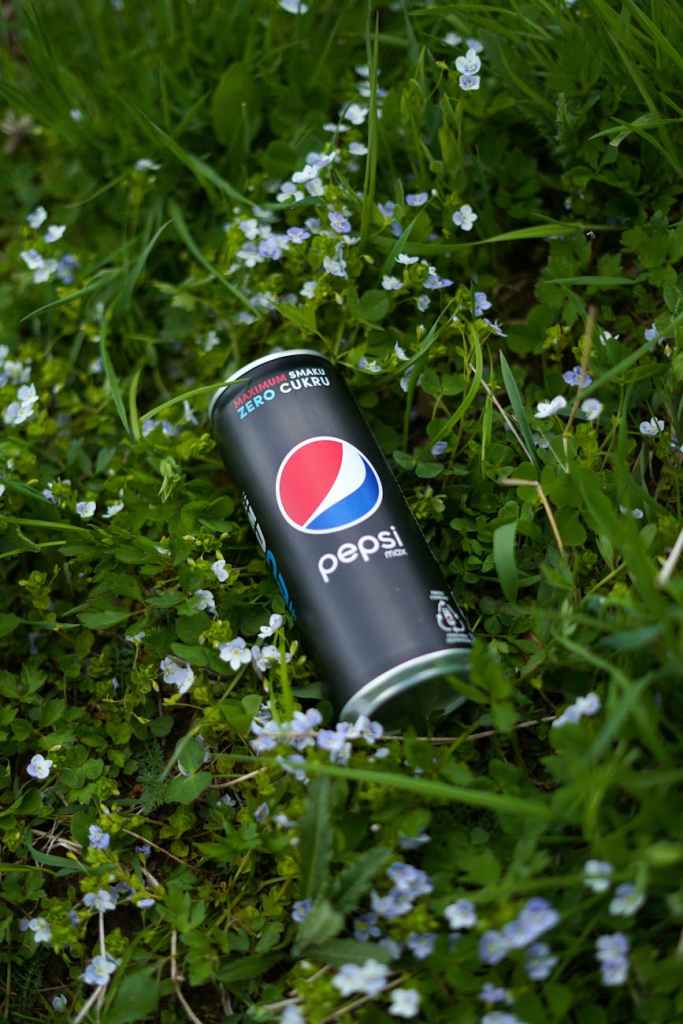
Brands such as Poppi, which was acquired by PepsiCo in March of 2025, and Olipop will compete with Provi as gut health beverages. Although Poppi is a PepsiCo brand that offers gut health benefits, its placement, advertising, and flavor profile will differ. Provi will aim to reach a consumer audience that prefers a more “Pepsi” like beverage, rather than a “Raspberry Rose” flavored beverage chosen from the health drinks section of the beverage selections. A less whimsical, more sleek look, mimicking that of a Pepsi Zero, would be more fitting for Provi.
Competition Comparison
| Poppi | Olipop | Provi | |
|---|---|---|---|
| Strengths | Trendy, bold brand with a strong social media influencer backing; PepsiCo acquisition (Lyons, 2025). | Strong partnerships with grocery stores and major online merchants; Overwhelming presence has gained celebrity support (Lyons, 2025). | May face skepticism due to Poppi lawsuit. |
| Weaknesses | Flavor inconsistencies; high price; recent lawsuit due to fiber content claims (Lyons, 2025). | higer price than soda; reported unpleasant smell/ taste/ aftertaste (Andersen, 2025). | Higher price than soda; reported unpleasant smell/ taste/ aftertaste (Andersen, 2025). |
| Product Positioning | Trendy probiotic soda (Lyons, 2025). | better-for-you fiber probiotic soda (Lyons, 2025). | mainstream probiotic soda |
| Price Strategy | Premium pricing (Lyons, 2025). | Premium pricing (Lyons, 2025). | accessible pricing; as close to regular soda pricing as possible |
| Distribution Strategy | May face skepticism due to the Poppi lawsuit. | Grocery store chains (Walmart, Target), online (Amazon, Direct-to-consumer (Lyons, 2025). | Leverage PepsiCo’s distribution network to gain access to national channels |
| Promotion Strategy | Social Media and social media influencer partnerships; sleek, moody design to signify simplicity and emphasis on probiotic benefits; retail sampling | Social media and social media influencers; nostalgic, classic feel (Lyons, 2025). | Influencer marketing, celebrity partnerships, trendy, bold packaging rebrand (Lyons, 2025). |
External Factors
- Legal/ Government (FDA)
- Economic (price sensitivity)
- Environmental (packaging)
- Technology (manufacturing)
- Society/Culture (message; target audience)
Research Methodology
A mix of primary and secondary research that follows standard marketing research practices. Secondary research will define market context and regulations, such as FDA regulations, and primary research will test consumer reaction and behavior, such as flavor preferences. (Hair et al., 2024).
Conclusion
PepsiCo has the reputation, distribution, and R&D capabilities that can provide Provi a generous start in the beverage industry. Putting emphasis on maintaining original flavors and simply adding probiotic benefits will encourage consumers who are hesitant to try health beverages. While already focusing on improving formulations that have less sugar and sodium, and acquiring the prebiotic brand Poppi, adding Provi would be an addition that meets the needs of diehard soda drinkers.
References
Andersen, J. (2025, March 30). The Olipop Soda You Should Avoid Buying At All Costs. Tasting Table. https://www.tastingtable.com/1818035/worst-olipop-soda-flavor/
GlobalData. (2025, October 22). PepsiCo Inc. | Overview. Globaldata.com. https://explorer.globaldata.com/Company/Summary/pepsico_inc
Hair, J. F., Ortinau, D. J., & Harrison, D. E. (2024). Essentials of marketing research (6th ed.). Mcgraw Hill Education. https://bookshelf.vitalsource.com/reader/books/9781265800833
Lyons, H. (2025, April 16). Poppi vs. OLIPOP: The rapid rise of better-for-you soda. Bevi. https://bevi.co/blog/history-of-poppi-soda-olipop/
Majeed, M., Majeed, S., Nagabhushanam, K., Natarajan, S., Sivakumar, A., & Ali, F. (2016). Evaluation of the stability ofBacillus coagulansMTCC 5856 during processing and storage of functional foods. International Journal of Food Science & Technology, 51(4), 894–901. https://doi.org/10.1111/ijfs.13044
PepsiCo. (2025). Mission | PepsiCo. Pepsico.com. https://www.pepsico.com/en/about/mission
Pepsico. (2025). PepsiCo. PepsiCo, Inc. Official Website. https://www.pepsico.com/
PepsiCo Inc. (2025). PepsiCo Nutrition Philosophy | PepsiCo HealthandNutrition. Pepsicohealthandnutritionsciences.com. https://www.pepsicohealthandnutritionsciences.com/pepsico-nutrition-philosophy
Purdy, E. R. (2024). PepsiCo. In Salem Press Encyclopedia. Salem Press; Research Starters. https://research.ebsco.com/linkprocessor/plink?id=d9f717dc04273364859b00f263f57efd


Leave a comment